South Kensington removals

South Kensington removals need careful planning, steady handling and a service that suits the type of property, access and contents involved. We provide a practical moving service for homes and flats, with work that can include packing support, furniture protection, loading, transport and unpacking. The aim is to keep the process orderly from the first enquiry through to delivery, so your move is managed with attention to the items, the route and the final placement of furniture.
Our removals service is built around clear choices rather than one fixed approach. Some customers only need a vehicle and loading help, while others want support with fragile items, heavier furniture or the full move from start to finish. You can explore the main removal services alongside options such as home moves and house removals if you want to compare the type of help that suits your property and schedule.
For a more complete move, we can combine transport with dismantling where appropriate, protective wrapping, and practical handling of awkward pieces. If your move involves a mixed load, shared access or a tight time window, it helps to keep the plan simple and focused on the items that need the most care. When you are ready, ask for a quotation and give a short outline of what needs moving.
Moving homes with the right level of support
Home removals often work best when the service matches the scale of the property rather than trying to treat every move in the same way. A studio flat, a family house and a top-floor apartment each create different handling needs, especially where stairs, parking or bulky furniture are involved. We handle domestic removals in a way that keeps the move manageable, with attention to how items are packed, carried and loaded so they arrive in good condition.
Where appropriate, our team can help with the practical stages that often take the most time on moving day. That may include preparing rooms for loading, wrapping furniture surfaces, grouping boxes by destination room and separating fragile goods from general household items. For customers who want a fuller service, packing and unpacking services can make the process easier to organise because the most time-consuming preparation is completed in a structured way.
It is useful to think about the move as a sequence: access, packing, loading, transport and placement. Each step can affect the next one, so a tidy plan tends to work better than last-minute decisions. If the property has items that cannot be lifted safely without help, or furniture that needs dismantling before travel, make that clear early. A short note is often enough to shape the moving plan and avoid unnecessary delay.
Furniture, boxes and practical loading

Loading is one of the most important parts of any removal because it affects both safety and efficiency. Furniture must be arranged so that heavier pieces are secure, lighter boxes are not crushed and delicate items are protected from movement in transit. We pay attention to weight distribution, access to essential items and the order in which belongings are loaded, especially when the move includes mixed household contents rather than a single category of goods.
For many customers, the main challenge is not the transport itself but the amount of preparation the move requires. Wardrobes, tables, bed frames, mirrors and domestic appliances may need to be handled differently. Our moving service can support this by using suitable lifting techniques and by placing items so that they can be unloaded in a sensible sequence. If you need a straightforward transport option, our man and van page covers a smaller-scale approach that can suit lighter loads or simpler moves.
Helpful preparation usually means more than boxing things up. It can include labelling rooms, setting aside valuables, checking whether large items fit through doorways and deciding which furniture should be dismantled. A short inventory helps when the move includes several rooms or a mix of fragile and robust items. Keep your notes practical and concise so the quotation reflects the actual amount of work rather than a rough guess based on the number of boxes alone.
House removals and domestic moves
House removals need a service that respects the contents as well as the building itself. Door frames, banisters, hallways and stairwells can all affect how a move is carried out, particularly in older homes or properties with narrow internal routes. We provide house-moving support that focuses on careful handling and orderly transport, helping customers move furniture, boxed belongings and household equipment without turning the day into a rush.
Some moves are best managed as a full-property removal, while others only require help with the larger or more difficult pieces. That is why we keep the domestic service flexible. You may want assistance with the entire contents of the house, or you may only need a vehicle, lifting support and transport for items that are awkward to move yourself. For customers comparing property-based services, house movers and house removalists can be useful pages to review alongside the main domestic service.
In practice, a good home move depends on maintaining order as the job progresses. Boxes should be grouped by room, important paperwork kept separate, and fragile possessions identified before loading starts. Where there are special items such as artwork, lamps or glass-topped furniture, the approach should be adapted to the item rather than forcing it into a standard method. That kind of careful handling is what keeps a move feeling controlled from beginning to end.
Office relocation and business moves

Commercial removals need different planning from domestic work because desks, storage, IT equipment and filing all have to be moved in an organised order. Our office relocation services are designed for businesses that want a practical move with less disruption to day-to-day work. The focus is on keeping essential items together, avoiding unnecessary handling and making sure the transition between premises is as clear as possible.
When an office move is being prepared, it is sensible to think about working areas rather than individual items. That means considering the position of desks, the contents of cupboards, the location of equipment and the order in which each part of the office should be loaded and unloaded. You can review office removals for a closer look at the service and, if you need a broader commercial approach, commercial moves can suit premises with stock, furniture or equipment that require a more structured relocation.
Good planning makes a business move easier to control. A simple room-by-room list helps identify items that need special treatment, while a nominated contact can confirm which furniture should be reassembled first at the destination. If you are moving files, monitors or other work-critical items, keep them clearly separated so the unloading sequence makes sense. Clear labelling is often one of the easiest ways to reduce confusion on the day.
Packing support, protection and careful handling
Packing affects the success of a move just as much as the vehicle used to carry the goods. Well-packed boxes are easier to stack, easier to identify and less likely to shift in transit. We can assist with packing and unpacking where needed, using materials and methods that suit the contents rather than applying the same treatment to every item. Delicate objects, books, clothing and general household goods each benefit from different packing choices.
If you want help with the protective side of the move, the service can be combined with wrapping and organised boxing so that furniture and smaller possessions travel more safely. This is especially useful where the contents include breakables, awkward shapes or mixed-room loads. A supporting option such as packing and unpacking services can reduce the amount of work left for moving day, while a careful approach to furniture handling helps keep the rest of the move straightforward.
There is no single packing method that suits every house or office, so the right approach depends on what is being moved and how far it has to travel. Heavier boxes should be filled sensibly, loose items should be secured and fragile surfaces should have suitable protection. If you are arranging the move yourself, keep a note of anything that needs specialist attention so it can be included in the quotation and handled in a suitable way.
Vehicle choice and transport options
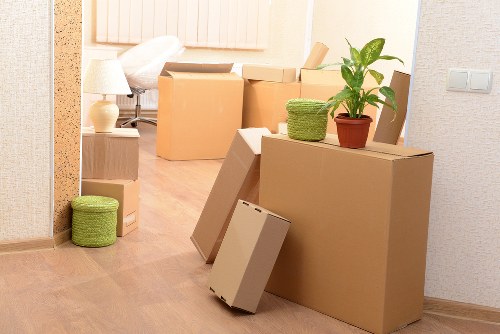
The transport part of a removal is not just about getting from one address to another. The vehicle must suit the volume of items, the access at both ends and the type of furniture being moved. Smaller domestic loads may work well with a van-based service, while larger moves may need more space and a different loading order. We provide transport options that are intended to keep the move practical rather than overcomplicated.
For customers who only need help with moving a limited amount of furniture or boxed items, a simpler vehicle-based option can be useful. Our moving van and moving truck pages outline different transport styles, while removal van and removal truck hire may be worth comparing if your move involves choosing the right vehicle for the load. The important point is matching capacity to the work, not choosing the largest option by default.
Transport planning also involves the loading order, because the way items are arranged in the vehicle affects unloading later. Goods that will be needed first should not be buried under items for the back room, and fragile pieces should be separated from items that could press against them. If your move includes a mix of heavy furniture and lighter boxed belongings, tell us what needs careful placement so the transport stage is planned in a sensible order.
How to request a quotation
A clear quotation starts with practical details rather than long explanations. The most useful information usually includes the size of the property, the type of items being moved, the number of floors involved, access issues, parking limits and whether packing or dismantling is needed. If there are awkward items such as pianos, large mirrors or bulky wardrobes, mention them early so they are included in the assessment rather than added later.
It also helps to say whether the move is straightforward or staged, and whether anything is staying behind. That allows the service to be shaped around the actual task rather than a generic assumption. You do not need to create a perfect list before making contact, but a sensible summary improves the quotation. If you want to compare service areas and pricing support first, pricing and quotes is a useful page to review before you send over the details.
When you are ready, keep the request simple and focused. Request a quotation today with a short description of the move, and include anything that might affect handling or timing. If the contents are varied, a rough room list is usually enough to begin. The more accurately the moving task is described, the easier it is to shape the right service around it.
About South Kensington
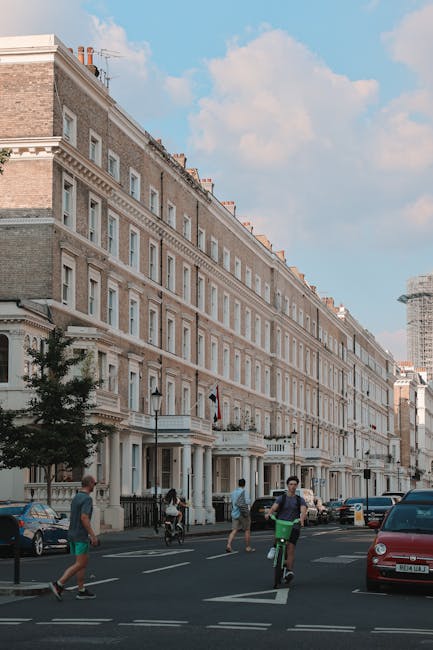
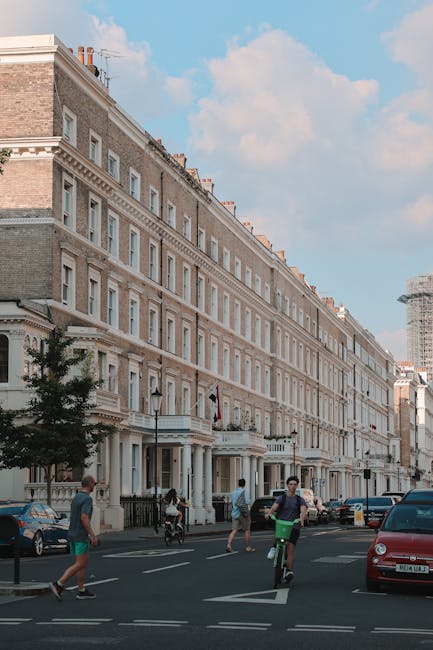
South Kensington is a district in west London within the Royal Borough of Kensington and Chelsea, close to Kensington Gardens, Knightsbridge and Chelsea. It developed significantly in the nineteenth century as London expanded westward, and its built environment reflects that history through stucco terraces, mansion blocks, embassies and institutional buildings. The area is closely associated with the Victorian era and the cultural institutions established along Exhibition Road, a corridor that links several major museums and universities. The Natural History Museum, the Victoria and Albert Museum and the Science Museum are among the most recognisable landmarks here, giving the district a strong public and educational character alongside its residential streets. South Kensington Underground station is an important transport hub for the neighbourhood, and the station arches and surrounding streets contribute to its busy urban feel. The area also includes smaller garden squares and elegant residential crescents, creating quieter pockets away from the main thoroughfares. Alongside the museum quarter, the district has a varied architectural landscape that includes grand townhouses, white stucco façades and later apartment buildings, many of which are part of conservation areas that preserve the local streetscape. The combination of cultural destinations, transport connections and historic housing gives South Kensington a distinctive place within central London, balancing international visitor traffic with long-established residential life.
Flexible moving support for different property types
Not every move needs the same level of involvement, and our service is shaped around that practical reality. Some customers need help carrying furniture from a flat with limited access, while others want a more complete removals package for a larger property or business premises. We can support the work that matters most, whether that means loading, transport, careful placement or a mix of all three. The goal is to keep the move efficient without adding unnecessary extras.
Where there are several types of items in one move, it helps to separate them into clear groups. Furniture, kitchen contents, office equipment and personal belongings each have different handling needs, and the quotation should reflect that. If you are unsure which service fits best, the broader removal company and removal companies pages can help you compare the scope of support before you decide how much assistance you need. A careful choice at the start usually makes the rest of the move simpler.
We also recognise that some moves are limited by access rather than volume. Tight staircases, restricted parking or shared entrances can all affect how a job is organised. In those situations, the most useful planning usually comes from a concise description of the property and the contents. If the move includes only a few items, a smaller-scale man with van approach may be suitable, especially where flexibility is more important than a large vehicle.
Final checks before moving day
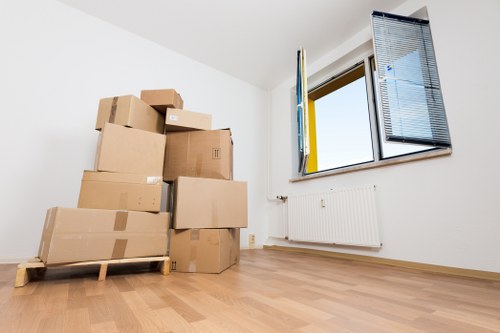
Before the move, it is worth making a final check of the items that need to travel, the rooms they belong to and any possessions that should be kept separate. A brief review of labels, keys, access arrangements and parking details can prevent avoidable delays. If furniture has been dismantled in advance, keep the fittings together and make sure loose parts are labelled so they can be put back correctly at the destination.
It is also sensible to set aside the items you need immediately on arrival. Essentials such as documents, chargers, medicines and a small set of everyday belongings are easier to manage when they are not mixed in with the main load. For customers moving a full household, this small step can make the first hours in the new property feel much more organised. If you still need to compare the route to a move service, removals near me is a simple place to continue your search within the site.
For a straightforward next step, send a brief outline of the move and let the service be tailored to what you actually need. Whether the job is a house move, an office relocation or a smaller van-based transport request, the main aim remains the same: careful handling, sensible planning and a move that is managed with attention to detail. Contact us for a quotation when you are ready to proceed.