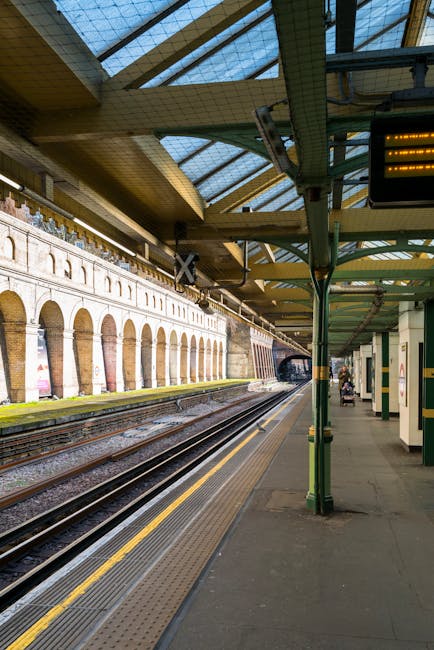
South Kensington station flat removals guide SW7: a practical moving plan for busy London flats
Moving out of a flat near South Kensington station can feel deceptively simple on paper. In real life, it's rarely that tidy. There are stairwells that seem to narrow halfway down, parking that disappears just when you need it, and neighbours who would quite like the whole thing done quietly before 8 a.m. If you're searching for a South Kensington station flat removals guide SW7, you're probably after something more useful than generic moving advice. You want a local, realistic plan that helps you move without chaos.
This guide walks you through the practical side of flat removals in SW7: what makes the area different, how the process usually works, which service options suit different moves, and how to avoid the annoying little mistakes that can turn moving day into a mess. Along the way, you'll find useful links to related services such as flat removals in South Kensington, packing and boxes support, and insurance and safety guidance if you want to plan more thoroughly.
Truth be told, the best flat move is rarely the fanciest one. It's the one that feels calm, well-timed, and under control.
Why South Kensington station flat removals guide SW7 matters
South Kensington is one of those places where the location itself shapes the move. The station area is busy, the roads can be tight, and many properties are period conversions or mansion flats with awkward access. That matters because a move is not just about transporting boxes. It's about timing, access, handling, and the reality of getting furniture in and out without damaging walls, bannisters, or your patience.
If you live in SW7, the risks are often specific: limited loading space, lift access that is shared or slow, stairs that do not quite fit a sofa, and time windows that need a bit of planning. A move that looks straightforward in another part of London can become a longer job here if nobody has checked the practical details first. That's why a local removals plan matters so much.
It also matters because most flat moves in South Kensington involve more than a van and a few boxes. You may need careful dismantling, protective wrapping, help carrying items down communal staircases, or a small van solution if the streets and access points are awkward. For many people, the difference between a stressful day and a manageable one comes down to good preparation and choosing the right support. If you're comparing providers, the page on removal companies in South Kensington is a sensible place to start.
Key point: in SW7, the "local" part of the move is often the most important part. The area's housing stock and traffic patterns can shape everything else.
How South Kensington station flat removals guide SW7 works
A well-run flat removal near South Kensington station usually follows a simple sequence, though the details change depending on the size of the move. First, you assess what needs to go. Then you decide whether you need a full removals team, a man and van in South Kensington, a larger removal van, or a fuller service with packing, disassembly, and reassembly included.
After that, the practical questions start. Is there parking nearby? Can the van stop safely outside? Are there stairs, lifts, or narrow hallways? Do you need boxes, wardrobe cartons, or specialist wrapping for fragile items? Will the building management require advance notice? These are not dramatic questions, but they save hours later. A good moving day is usually made up of boring answers to boring questions. That's the secret, really.
Most flat removals work best when you break the job into three phases:
- Preparation: declutter, pack, label, and confirm access details.
- Loading: protect walls and furniture, move items room by room, and use the right carrying equipment.
- Transport and set-down: unload efficiently, place items in the right rooms, and reassemble anything taken apart.
For many residents, the biggest decision is whether to book a team for everything or just use transport support. If the flat is small and the items are manageable, a man with a van in South Kensington can be a practical option. If you're moving a larger household, or you have delicate furniture, a more comprehensive service is usually the safer choice. You can see the broader range of options in the services overview and removal services in South Kensington.
Key benefits and practical advantages
There are a few clear reasons why using a focused flat removals plan makes life easier in SW7.
- Less wasted time: a local team understands the area, so they are less likely to misjudge access, parking, or timing.
- Reduced damage risk: careful handling matters more in flats, where narrow hallways and stair corners can catch furniture surprisingly easily.
- Better time management: when everyone knows what is happening first, second, and third, the move feels more controllable.
- Less physical strain: lifting furniture down stairs is not just tiring, it can be unsafe without the right technique and equipment.
- More flexible service choices: you can match the support to your budget and property size rather than paying for more than you need.
There's also a quieter benefit: peace of mind. That sounds a bit soft, perhaps, but it matters. Moving day often involves keys, paperwork, building rules, and the usual life admin that piles up. The more of the actual lifting and logistics you hand over to people who do this all the time, the easier it is to focus on the move itself. If you're trying to keep things efficient, the South Kensington movers page is helpful for understanding what a professional team can handle.
For people with speciality items, such as a piano or large antique furniture, specialist handling can be the difference between safe transport and an expensive problem. That's one reason it's worth checking options like piano removals in South Kensington and furniture removals support if your flat contains heavier or more delicate pieces.
Who this is for and when it makes sense
This guide is for anyone moving out of, into, or between flats near South Kensington station, SW7. That includes renters, leaseholders, homeowners, students, professionals, and people downsizing after years in the same place. The common thread is usually the same: you need an efficient, low-drama move in a dense part of London.
It makes particular sense if any of the following apply:
- You live in a top-floor flat with narrow stairs.
- Your building has limited lift access or a shared entrance.
- You have a short tenancy turnaround and need a quick move.
- You own awkward items such as mirrors, artworks, or a piano.
- You are moving on a weekend or during a busy period when access is tighter.
- You want help without booking a full-scale household relocation.
Students and younger renters often look for a lighter, more budget-friendly service, which is where student removals in South Kensington can be relevant. On the other hand, if you are relocating a family flat or a substantial long-term home, a more complete home removals service is usually better suited.
A small but important point: not every move needs a big team. Sometimes you just need the right team size. That distinction saves money and stress, both.
Step-by-step guidance
Here's a straightforward way to plan a flat move near South Kensington station without overcomplicating it.
1. Confirm what you are actually moving
Start with a room-by-room inventory. It does not need to be perfect. Just honest. Which items are going, which are staying, and what needs extra care? Large wardrobes, desks, beds, and glass items should be flagged early. If you do this properly, the rest gets easier.
2. Check access before moving day
This is where many people trip up. Look at the entrance, stairs, lift, and any parking restrictions. Ask the building manager if there are any rules for move-in or move-out days. If you can, walk the route from flat to street and picture carrying a sofa through it. A bit grim, maybe, but useful.
3. Choose the right service level
A small move with a few boxes may only need a van and loading help. A bigger flat with furniture and fragile belongings will usually benefit from a more complete removals team. If you're unsure, ask for a quote that explains what is included. The pricing and quotes page is worth reviewing before you book.
4. Pack by category, not by panic
Pack essentials separately and label boxes clearly. Keep items for the first night together: chargers, toiletries, kettle, bedding, medication, and a change of clothes. It sounds obvious until you need them and can't remember which box they're in. We've all been there, or near enough.
5. Protect furniture and fragile items
Use proper wrapping, blankets, and boxes sized for the item. Don't overload boxes just because they still close. That is how backs get annoyed and glasses get chipped. If in doubt, ask for packing help or source suitable supplies through packing and boxes in South Kensington.
6. Make the move day flow
Leave access clear, keep keys handy, and make sure someone can answer the door. If the movers need directions through a building or up to a particular floor, don't assume they'll guess. A two-minute briefing at the start can save twenty minutes later. Small stuff, but it adds up.
7. Do a final sweep before leaving
Check cupboards, the back of doors, under beds, and behind radiators. Flats have a sneaky way of hiding things in plain sight. Then do a quick meter or utility check if relevant, and leave the space tidy. You'll be grateful later.
Expert tips for better results
A few local habits can make a genuine difference to a flat move in SW7.
- Book earlier than you think you need to: weekends, month-end dates, and school-holiday periods can get busy quickly.
- Measure furniture and doorways: not in a vague way, but with the actual width and height. A tape measure is boring and extremely useful.
- Use colour-coded labels: simple room labels help loaders and unpackers move faster.
- Protect communal areas: in a shared building, this reduces the chance of complaints and keeps relations civil.
- Keep valuables with you: passports, documents, jewellery, and electronics are better transported personally where possible.
- Tell your provider about awkward access: tight turns, no lift, basement flats, or heavy antique furniture should be mentioned up front.
Another useful tip: don't underestimate the value of a smaller vehicle if the road and access make that easier. In some cases, a nimble van beats a larger one trying to thread itself through a tricky street. It's one of those practical London truths that nobody prints on a moving checklist.
If you want to understand the local area a bit better before moving, the page on about South Kensington and the article on living in Kensington from a local viewpoint can help set expectations about the neighbourhood and its pace.
Common mistakes to avoid
Most bad removals jobs are not disasters in the dramatic sense. They are just the result of too many small oversights stacked together. Here are the ones that show up most often.
- Ignoring access details: forgetting about stairs, lifts, parking, or building rules can slow everything down.
- Packing too late: this usually leads to unlabelled boxes and missing essentials.
- Choosing the cheapest option without checking what's included: cheap can be fine; unclear is the problem.
- Leaving dismantling until the morning of the move: beds and wardrobes always take longer than you think.
- Not checking insurance or safety practices: if something goes wrong, you want to know what protection exists.
- Assuming all flat moves are the same: they are not. A studio in a converted terrace is very different from a large lateral apartment.
One small human tendency to watch for: people often pack the easy things first and leave the awkward items for later. Then later becomes 11 p.m., and suddenly you are wrapped in tape. Avoid that if you can. It's not a fun scene.
If your move involves premium furniture, delicate items, or a tight staircase, choose a service that regularly deals with that kind of job. You can also review insurance and safety information before making a decision.
Tools, resources and recommendations
You do not need a van full of kit to move well, but a few practical tools make the job much easier.
| Tool or resource | Why it helps | Best for |
|---|---|---|
| Strong boxes | Protects items and makes stacking safer | Books, kitchenware, clothes, accessories |
| Packing tape and labels | Speeds up identification and sealing | Every move, especially small flats |
| Furniture blankets | Reduces scratches and impact damage | Tables, wardrobes, beds, mirrors |
| Dolly or sack truck | Helps move heavier loads safely | Boxes, appliances, heavier furniture |
| Moving plan or inventory sheet | Keeps the move organised and less chaotic | Larger flats or longer-distance moves |
For most people, the best resource is not a fancy app. It's a clear moving list and a reliable team. If you need more than basic transport, compare the broader removals in South Kensington offering with a smaller removal van service so you can match the job properly.
For sensitive payment questions, it can also help to review payment and security information before confirming a booking. That's just sensible due diligence, nothing fancy.
Law, compliance, standards, and best practice
Flat removals are not usually complicated from a legal point of view, but a careful move should still respect ordinary UK standards and building requirements. If you are in a managed block, check any rules about lift use, service entrances, loading bays, or moving times. These are often set by landlords, managing agents, or building managers rather than a single universal rule.
It is also good practice to confirm the removals provider's approach to insurance, handling, and safety. If a company is moving furniture through shared spaces, protecting walls and floors is part of responsible service, not a luxury extra. The same goes for clear communication about access and parking. A professional team should ask about these things, because they matter.
For most customers, the best benchmark is simple: does the provider seem organised, clear, and careful? If yes, that is a promising sign. If they brush past access questions or avoid talking about safety, that's not ideal. To be fair, the move itself tells you a lot, but by then you have already booked them. So check early.
If you want to understand the business side of the area and how local property movement affects relocations, the articles on buying real estate in Kensington and Kensington real estate transactions add useful context, especially for buyers, sellers, and landlords coordinating a chain.
Options, methods, and comparison table
Different moves need different levels of support. Here's a simple comparison to help you choose the right method.
| Option | Best for | Strengths | Trade-offs |
|---|---|---|---|
| Man and van | Small flats, lighter loads, short notice | Flexible, economical, good for straightforward moves | Less suitable for larger furniture or many heavy items |
| Dedicated removal van | Medium moves with more items | More space, better for mixed loads | May be more than you need for a very small flat |
| Full removals team | Larger flats, family homes, fragile or valuable items | Most support, faster loading, less physical effort | Usually the higher-cost option |
| Specialist item removal | Pianos, antiques, bulky or delicate items | Expert handling, lower damage risk | Only suitable for those specific items |
The right choice depends on access, volume, and how much help you want. There is no prize for choosing the biggest service if a smaller one would do the job properly. Equally, there is no virtue in squeezing a big flat move into a tiny solution and hoping for the best. Hope is not a moving strategy.
Case study or real-world example
Here's a realistic example from the kind of move people regularly make in SW7. Imagine a one-bedroom flat near South Kensington station with a bed frame, sofa, desk, dining chairs, a few fragile boxes, and a bicycle. The building has a narrow staircase, no private loading bay, and only limited on-street stopping space.
In that situation, a careful plan would probably look like this: the customer books a smaller vehicle with lifting support, packs fragile items separately, dismantles the bed in advance, and confirms the best arrival time to reduce parking pressure. The movers arrive, protect the furniture, carry items out in stages, and load in a way that keeps the route clear. Nothing dramatic. Just steady, sensible work.
If the same move had a piano or a large cabinet added to it, the whole setup would change. That is where specialist handling becomes worthwhile. The main lesson is simple: the move should fit the property and the items, not the other way round. It sounds obvious now. It never feels obvious on moving week.
This is also where nearby local knowledge can save time. A team that regularly works in Kensington and South Kensington will usually anticipate access issues sooner, which means fewer surprises at the kerb.
Practical checklist
Use this checklist in the final week before your move.
- Confirm your moving date and time window.
- Check building rules, lift access, and parking restrictions.
- Measure large furniture and doorways.
- Book the right service level for your flat size.
- Gather boxes, tape, labels, and protective wrapping.
- Pack essentials separately for the first 24 hours.
- Disassemble furniture if agreed and practical.
- Set aside valuables and important documents.
- Tell the removals team about stairs, narrow corridors, or fragile items.
- Do a final emptying sweep of cupboards, shelves, and storage spaces.
- Keep phones charged and transport details handy on the day.
Quick reminder: the calmest moves are the ones where the last 10% of planning happens before the day begins.
Conclusion
Moving from a flat near South Kensington station doesn't have to be messy or overwhelming. With the right plan, the right level of support, and a clear understanding of access, packing, and timing, the whole process becomes much more manageable. That's really the heart of this South Kensington station flat removals guide SW7: make the move fit the area, not just the calendar.
If you keep the focus on practical details, you'll avoid most of the problems that turn a move into a long, grumpy day. Measure once. Pack properly. Ask about access. Choose the right service. Simple enough, but it works.
Get a free quote today and see how much you can save.
And if you're still in the planning stage, take your time. A well-organised move has a way of feeling lighter, even before the first box is lifted. That's worth aiming for.
Frequently Asked Questions
What is the best removals option for a flat near South Kensington station?
It depends on the size of the flat and the access. For a small move, a man and van service may be enough. For larger flats or heavier furniture, a fuller removals team is usually the safer and easier choice.
How far in advance should I book a flat removal in SW7?
As early as possible, especially if you are moving at month-end, on a weekend, or during a busy London period. Earlier booking usually gives you more choice and less stress.
Do I need to tell the removals company about stairs and lifts?
Yes. Absolutely. Access details affect timing, team size, and the equipment needed. Leaving this out can lead to delays or an awkward surprise on the day.
Is a man and van suitable for a one-bedroom flat?
Often yes, if the load is light to moderate and the access is straightforward. If you have bulky furniture, many boxes, or awkward staircases, you may need more support.
Can removals teams help with packing as well?
Many can, depending on the service booked. If you want less to do yourself, look at packing and boxes support as part of the planning process.
What should I do with fragile items during a flat move?
Pack them separately, label the boxes clearly, and avoid overfilling. If the item is especially delicate, ask whether specialist handling is available.
Are there special issues with moving in South Kensington?
Yes, mainly access, parking, building rules, and narrow or shared spaces. Many flats in the area are in older buildings, so planning matters more than in some newer developments.
How can I keep the move from damaging shared hallways or stairs?
Use proper protection, keep routes clear, and let the removals team know about any tight corners or delicate surfaces. Good movers should already be thinking about this.
What if I need a same-day move?
It can be possible in some cases, depending on availability and the size of the job. A same-day removals service in South Kensington may suit urgent situations, but it is best to ask as soon as the need becomes clear.
How do I know if the removals company is trustworthy?
Look for clear pricing, proper communication, safety information, and sensible questions about access and item type. Transparency is usually a good sign. If the basics are vague, that's worth noticing.
Can I move a piano from a flat near South Kensington station?
Yes, but it should be handled by a specialist team. Pianos are heavy, awkward, and easy to damage if moved the wrong way. Specialist piano removals are the better option.
What paperwork should I keep with me on moving day?
Keep keys, tenancy or completion details, identity documents, contact numbers, and any building access instructions close by. It avoids a lot of fiddling about later, which is always welcome.
Where can I learn more about South Kensington before moving?
The area guide at about South Kensington is a useful starting point, and the local insight articles on Kensington can help if you want a broader view of the neighbourhood.